Background Information:
If you're a gamer or somehow involved in the videogame industry, you should have heard of Shigeru Miyamoto. Often billed as the 'Grandfather of Videogames', Miyamoto-sensei is best known as the creator of Mario, Donkey Kong, The Legend of Zelda, Star Fox, F-Zero, and Pikmin. He is also known for his enthusiastic presentations at gaming conference like the Tokyo Game Show and E3.

Born in Kyoto in 1952, Miyamoto spent much of his childhood roaming the countryside near his family home. He had a great love for manga and was interested in a career as a manga artist. With that in mind, he graduated from the Kanazawa Municipal College of Industrial Arts. He was hired by Nintendo as a product designer in 1974.
Life at Nintendo, 1979-1984:
When Nintendo began to focus less on distributing electronics developed by other companies and more on developing their own, Miyamoto's first big task was to design the cabinet casing for Nintendo's Color TV Game. Nintendo had some limited local success with early arcade games, but it was Miyamoto's first big hit, Donkey Kong, that threw them into the forefront of the emerging videogame industry. Released in 1981, it was inspired by King Kong and Beauty and the Beast. Donkey Kong revolved around a story about a carpenter, a princess and an angry gorilla. Miyamoto reportedly chose the gorilla as his antagonist as he was, 'nothing too evil or repulsive'. Donkey Kong broke new ground, with the inclusion of cutscenes and multiple stages of play. The carpenter character, named Jumpman by Miyamoto, was eventually renamed Mario for the American release, after an Nintendo of America employee. With the huge success of Donkey Kong, Miyamoto then worked on its sequels, Donkey Kong Jr., and Donkey Kong 3.
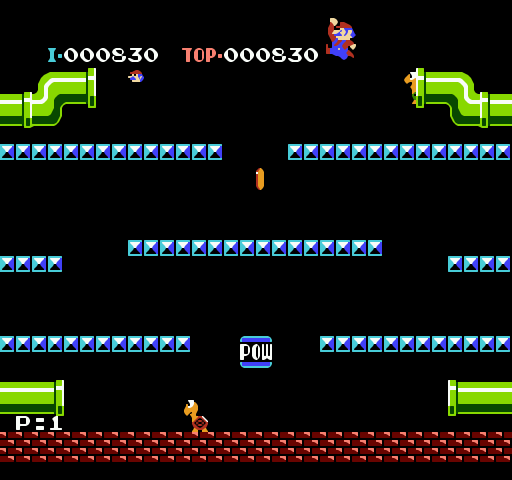
During this period, Miyamoto also worked on Nintendo games Excitebike and Devil World. He eventually reworked the carpenter character from the Donkey Kong series, transforming him from a carpenter to a plumber and equipping him with a brother and a backstory. This chubby plumber, formely a carpenter named Jumpman, became Mario - perhaps one of the most iconic videogame characters of all time. Mario Bros. was Mario's first starring role and was a huge success.
1985-1989
During this period, Nintendo were prolific and Miyamoto worked on a selection of classic Nintendo titles. It was during this period that the sequel to Mario Bros., Super Mario Bros. was released. Super Mario Bros. introduced some of the characters and settings and the colour palette that is most often associated with the Mario franchise.

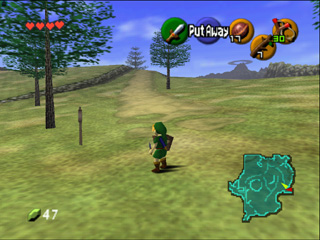
During this period, Miyamoto also began development on another iconic Nintendo franchise, The Legend of Zelda. Inspired by the sense of exploration he felt on his childhood rambles about the countryside, Miyamoto tries to imbue each Zelda title with this sense of adventure and exploration.

This period also saw the release of sequels to these two iconic titles - Super Mario Bros. 2 (originally a Japan-only release) and The Legend of Zelda: The Adventure of Link. The Adventure of Link was a departure from the original in many aspects but was still well-received.
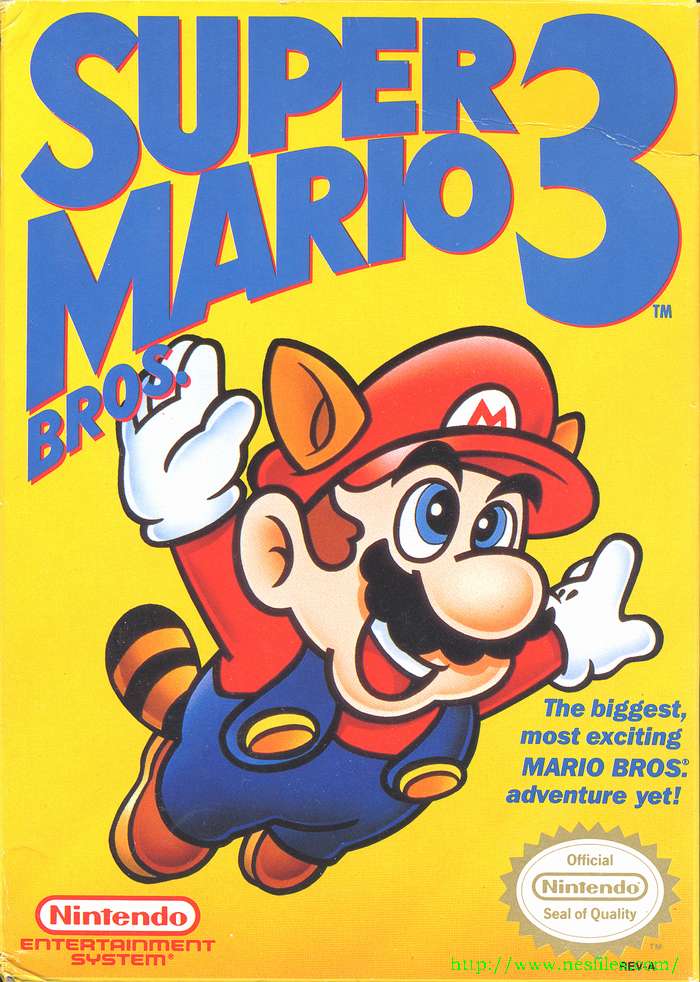
Not long after this, work began on Super Mario Bros. 3, which took 24 months to complete. This title gave Mario a selection of 'costumes' and new powers to accompany them. Several of the now-iconic enemies were added to the title or redesigned.
A sub-department of Nintendo, Nintendo Entertainment Analysis and Development, was founded in 1983. By 1990, Miyamoto was promoted to the head of the department. He currently shares the management of Nintendo EAD with Takashi Tezuka.
In the early 90s, Nintendo EAD, and Miyamoto, were responsible for the development of a wide selection of Nintendo titles, including F-Zero and Star Fox, for the Super Nintendo Entertainment System.
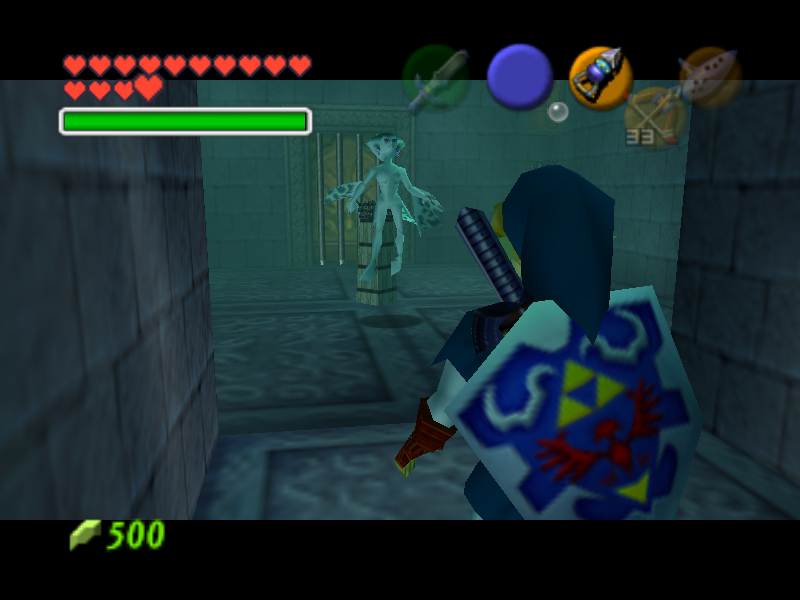
With the release of the Nintendo 64 in 1996, Miyamoto directed the development of Super Mario 64, Nintendo's first foray into 3D graphics. Not long after the production of Super Mario 64, development began on The Legend of Zelda: Ocarina of Time. Miyamoto was a central member of the development team, as well as the producer. The Legend of Zelda: Ocarina of Time is widely regarded as a fantastic game and has recently been re-released for the Nintendo 3DS.

During this period, Miyamoto worked on a selection of Mario spin-offs, a sequel to Ocarina of Time, The Legend of Zelda: Majora's Mask, and Star Fox 64.
2000-2006
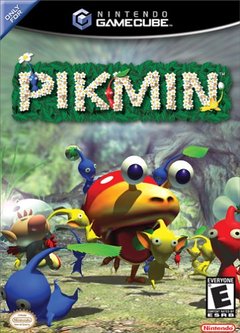
The release of the Nintendo GameCube saw Miyamoto working on Mario, Zelda, and Star Fox titles. He also developed Pikmin and Pikmin 2. While the GameCube was not hugely commercially successful, hardcore Nintendo fans were pleased with games like The Legend of Zelda: Wind Waker and Super Smash Bros. Melee.

2006 - present day
The Wii and the Nintendo DS changed the Nintendo business model significantly. The company went out of their way to make their products more appealing and accessible to casual gamers and families.
Miyamoto was part of the team that worked on The Legend of Zelda: Twilight Princess, a Wii launch title. He also acted as the producer for the Wii Sports and Wii Fit titles. During this period, he was the producer for the two Zelda titles released on the DS - The Legend of Zelda: Phantom Hourglass and The Legend of Zelda: Spirit Tracks, as well as the three major Mario titles released for the Wii - Super Mario Galaxy, New Super Mario Bros., and Super Mario Galaxy 2.
He is currently involved in the development of a new Zelda title expected for release at the end of this year, The Legend of Zelda: Skyward Sword, as well as working on two different Mario titles for the Nintendo 3DS.

Miyamoto is an inspiring and important figure in the international videogame industry. This year marks the 25th anniversary of the Zelda franchise, and the Mario franchise is even older. He has been recognised for his contributions with awards from various organisations, as well as being recognised as one of Time Magazine's 100 Most Infuential People of the Year in both 2007 and 2008.
As he ages, he's showing no signs yet of slowing down and is still an engaging and vigorous figure in the industry. Games fans the world over hope he'll be around for many years yet, continuing to work on his iconic Nintendo titles.